portalEs, a solo exhibition by Belgrade-based artist Milica Macanovic, is presented as the second exhibition of Summer Art Residency 2026 in Ohrid at Kult Gallery, curated by Krug Community Spaces. The exhibition brings together a selection of self-portraits created over many years. Macanovic has been engaged with photography since childhood, when she made her first self-portrait, and her practice reflects a long-standing and continuous engagement with photography as a whole, not only with self-portraiture. This exhibition is the result of a sustained process of working with, exploring, and developing photographic practice over time.
The exhibition title is a curatorial occasionalism that blends the words portraits, tales, and portals. As the artist explains, photographing herself is akin to passing through portals; each self-portrait becomes not only an image but also a narrative, recounting a spiritual passage, an elevated state of consciousness, and the sensations, insights, and transformations that accompany such experiences. Through this fusion of portrait, story, and threshold, the project frames self-portraiture as both a visual and experiential journey.
The artworks reveal a strong classical sensibility in their technical discipline and continuity with tradition. Historical photographic processes such as ambrotypes, cyanotypes, salt prints, and analogue black-and-white printing emphasize materiality and process, placing them in dialogue with contemporary digital photography. By returning to these slower, handcrafted methods, they complicate the immediacy of the digital image and expand the field of contemporary portraiture.
Each photograph is deliberately produced through a specific technique, establishing a direct and intentional link between portrait and process. Each self-portrait is therefore shaped by a distinct chemical procedure, underscoring the fact that these works have been developed over many years. This relationship between image, time, and technique positions photographic chemistry as more than a method of production: it becomes a reflection of the internal chemistry of the body and mind. In this sense, the chemical processes of photography mirror the biochemical and neurological processes that shape human perception and emotional states. The differences between the works thus register both technical variation and the passage of time, which is why the exhibition can be understood as retrospective in nature.
Taken as a whole, the presentation resists a clear division between “classical” and “avant-garde,” instead holding both positions in productive tension, with the experimental use of historical photographic processes within a contemporary conceptual framework defining its distinctly avant-garde character. The diversity of the self-portraits does not indicate fragmentation but rather reflects continuous transformation over time, of both artistic practice and inner states. By turning to historical photographic processes within a contemporary context, the artist challenges the speed, volume, and surface logic of digital imagery, proposing a slower, more embodied engagement with portraiture. In doing so, the portalEs articulates a distinct artistic voice that privileges transformation, presence, and experience over fixed categories or stylistic labels, pushing against dominant norms of image-making. Through this lens, the work raises the question of how the self is perceived and reconstructed across time, and how self-portraiture, through its material and chemical conditions, can register these ongoing shifts. The exhibition ultimately brings together and resolves this body of work as a completed cycle of exploration, marking a moment of closure from which a new artistic direction can emerge, while emphasizing transformation, presence, and experience as its central concerns.
The self-portraits can be understood as a passage through portals, where each image, framed as a threshold, gains a universal dimension as a reflection of lived experience and of crossing from one state into another. Viewers are therefore encouraged to move through these layers of spatial, temporal, chemical, and spiritual transition, as the presentation as a whole becomes a call toward transformation, made perceptible through an authentic artistic practice.
By Snezana Mocovic
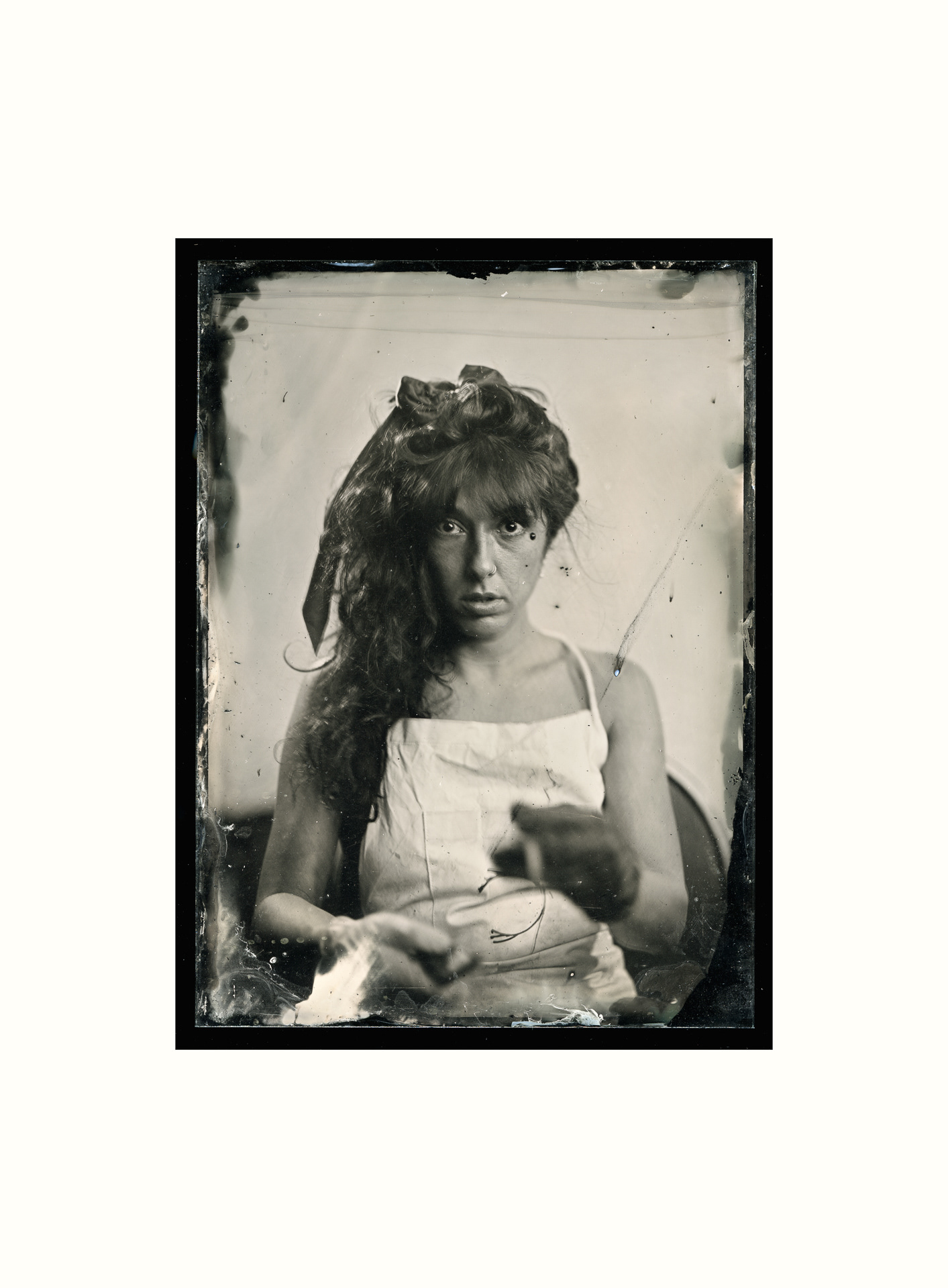
Wet plate collodion- Ambrotype on glass 13x18cm
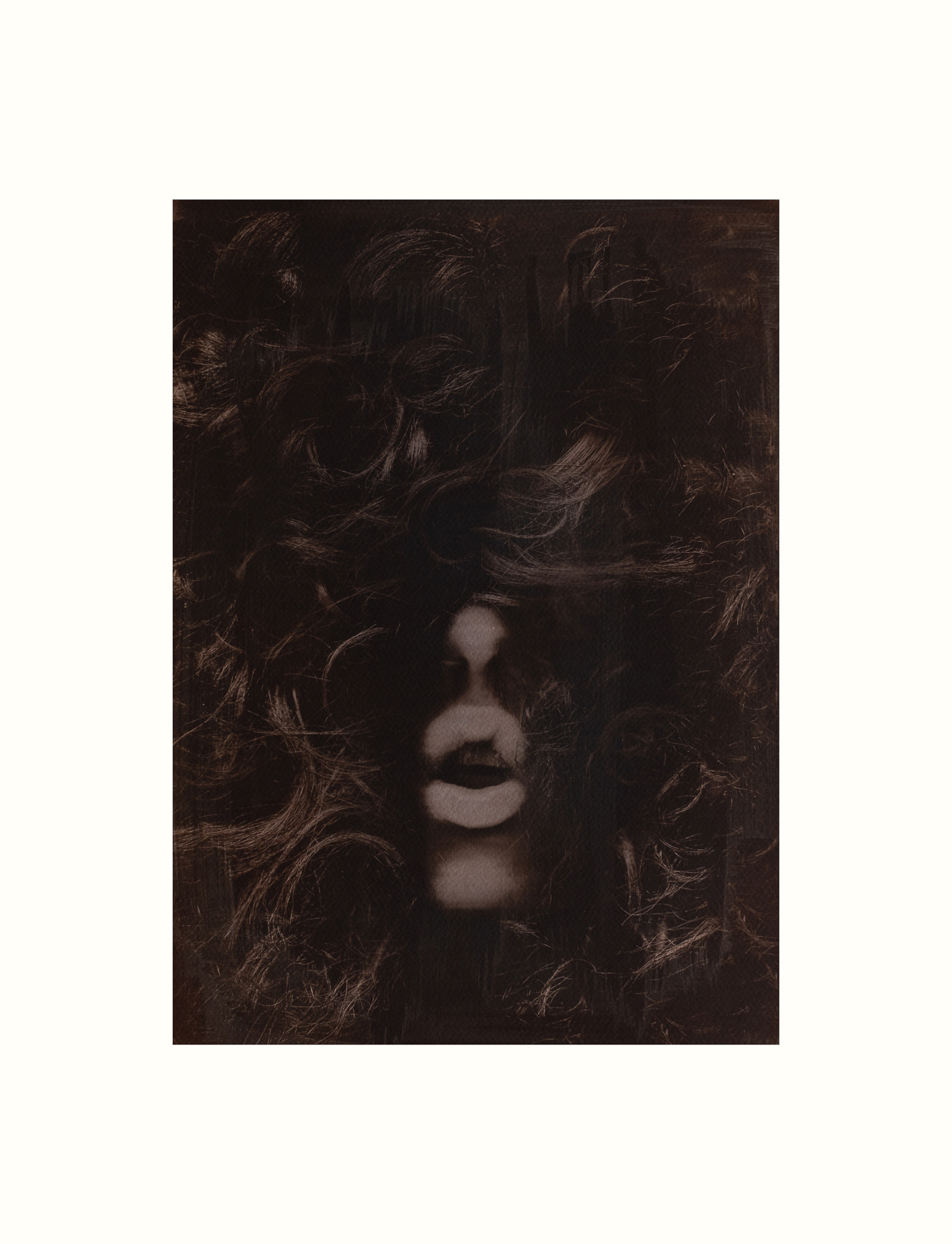
Salt Print on Aquarelle paper 40x30cm
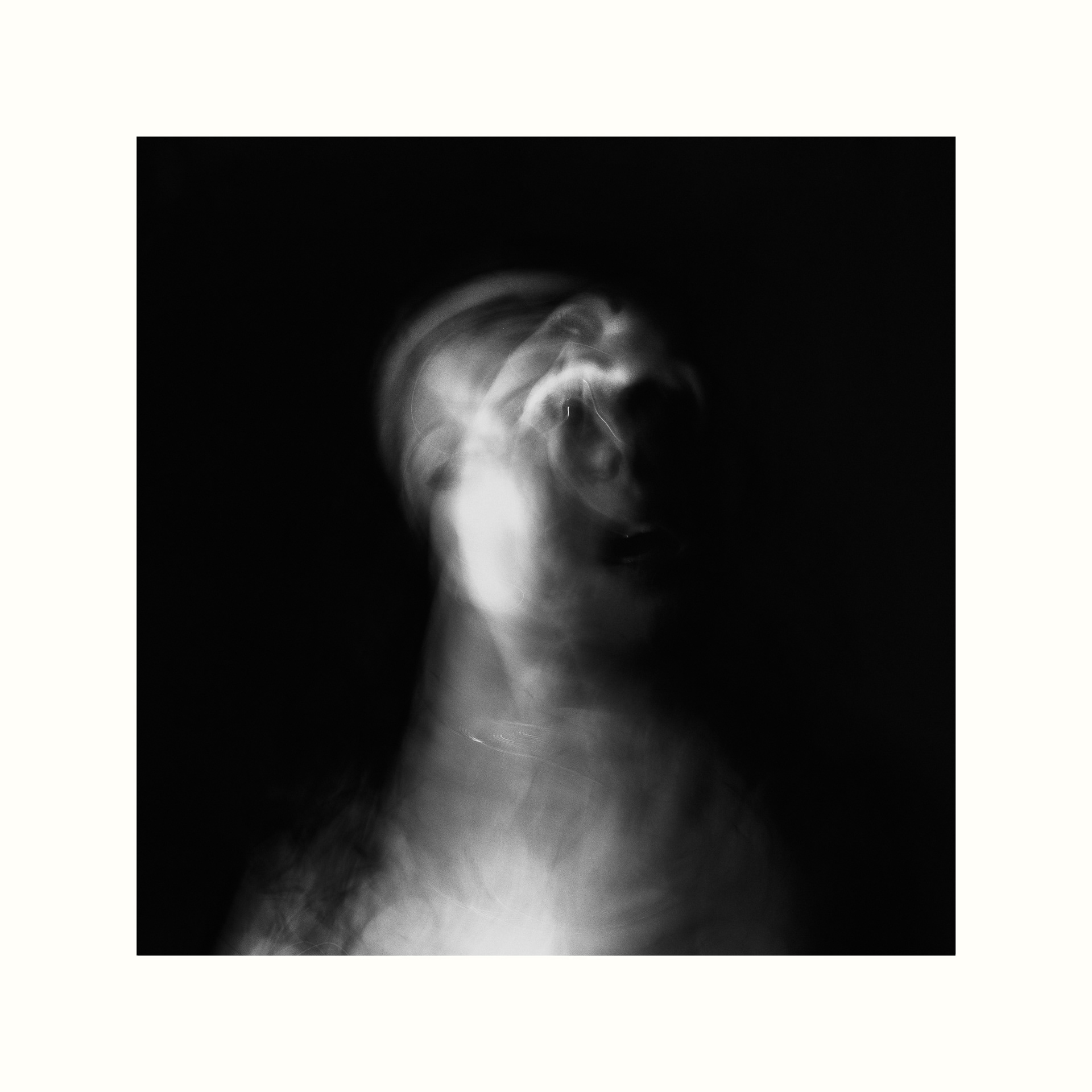
Giclée print 50x50cm
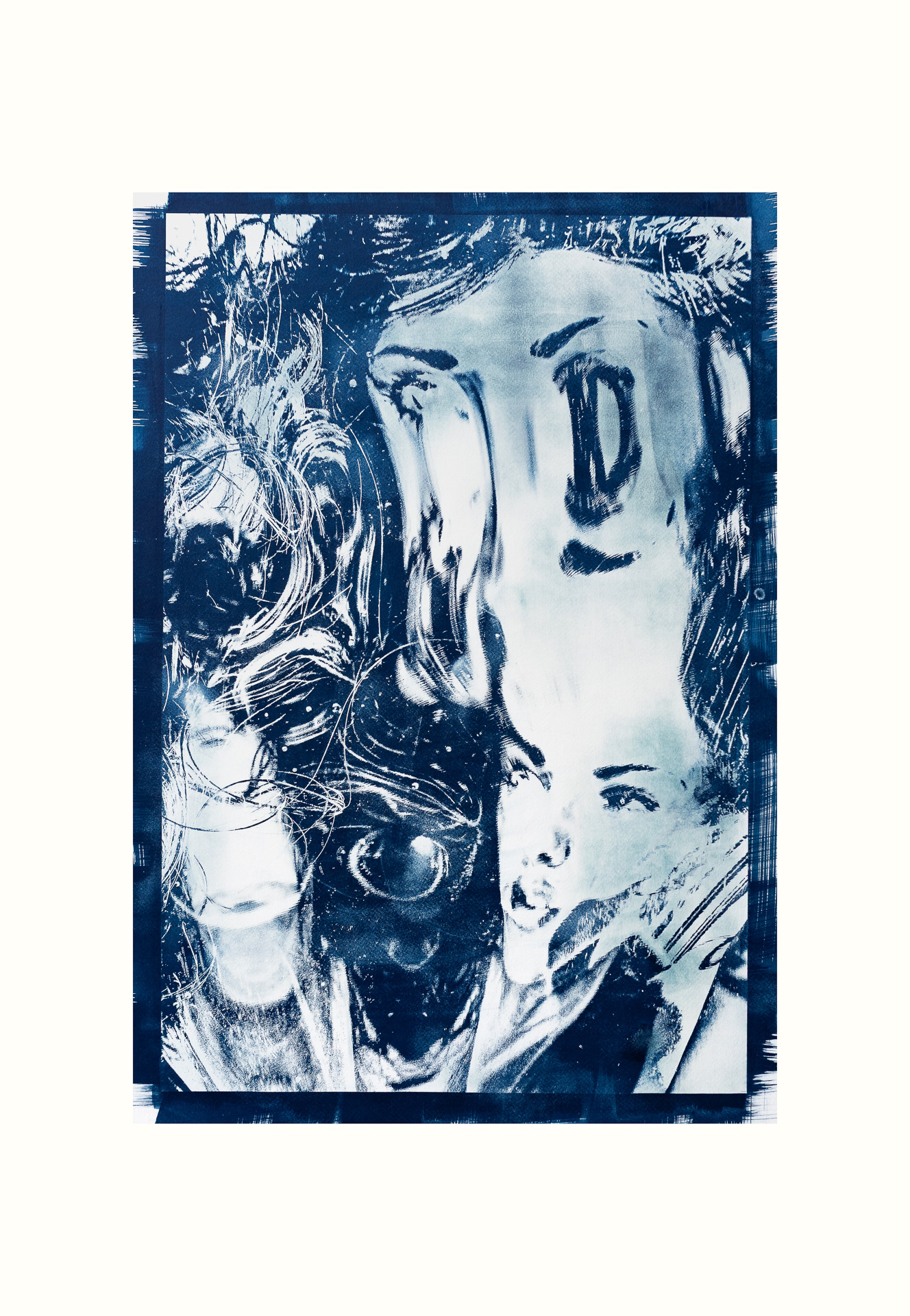
Cynotype on Aquarelle paper 100x70cm
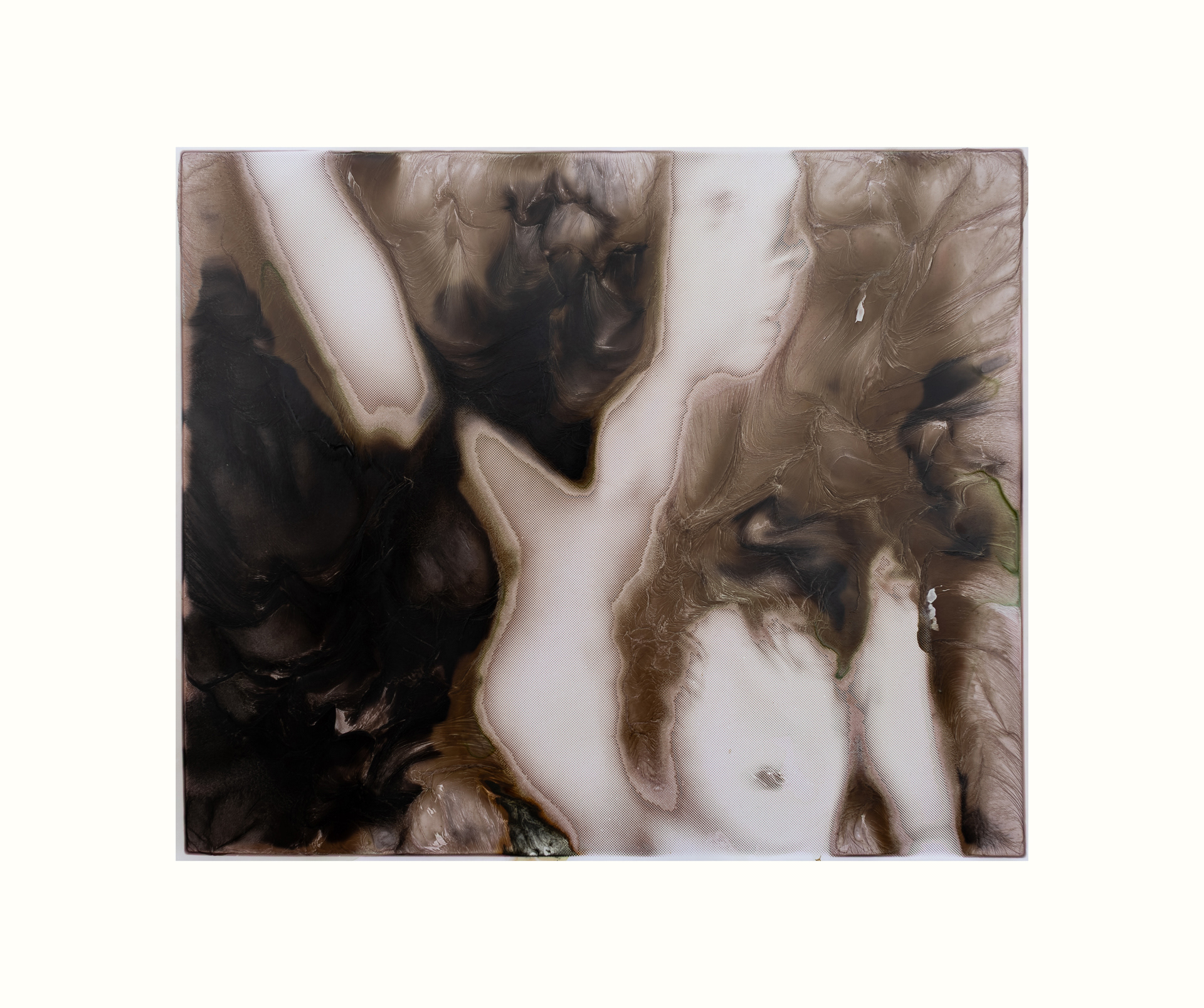
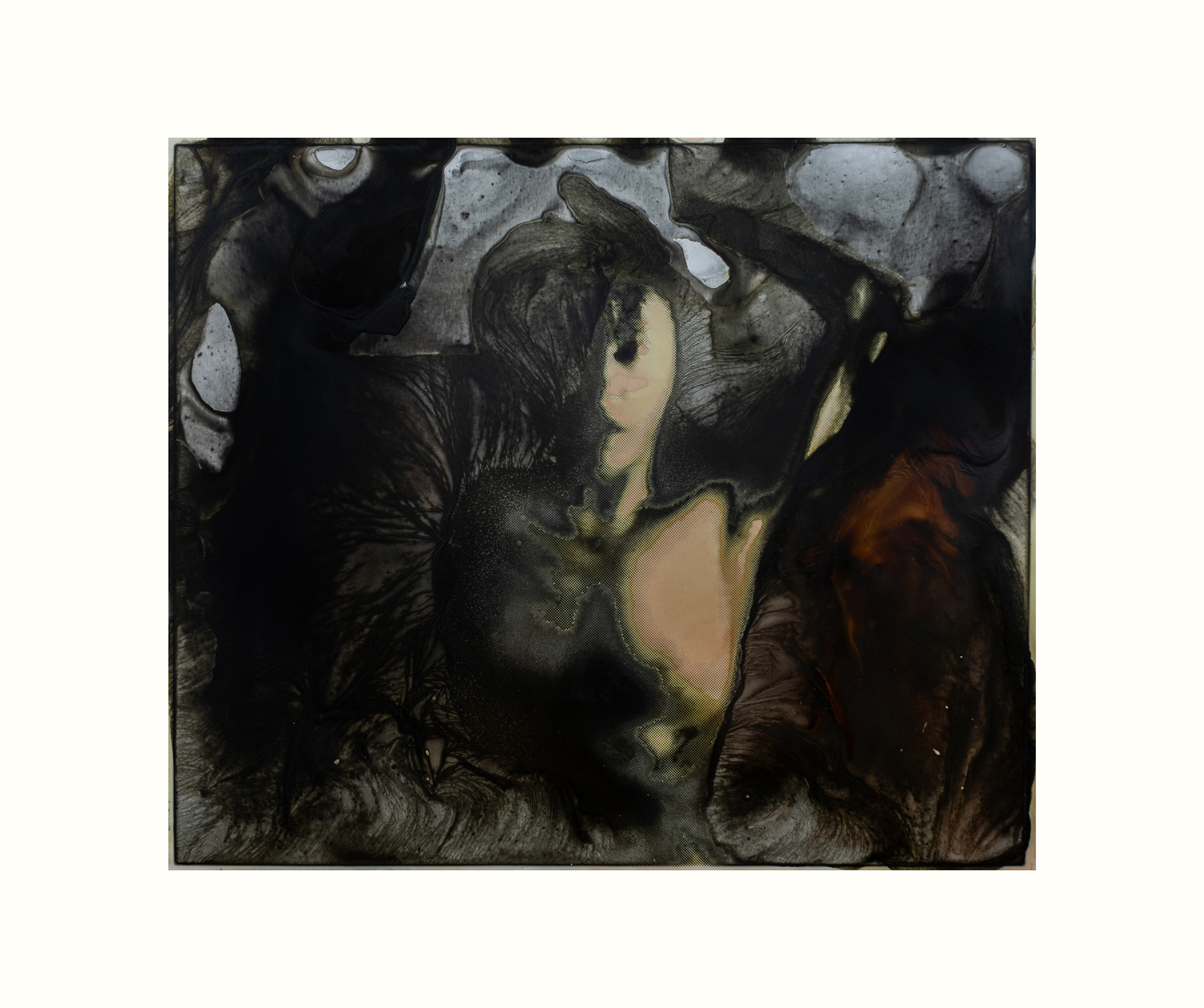
Mordançage on photographic paper 36x30cm

Experimental Analog 6x6 photography on photo paper 30x30cm
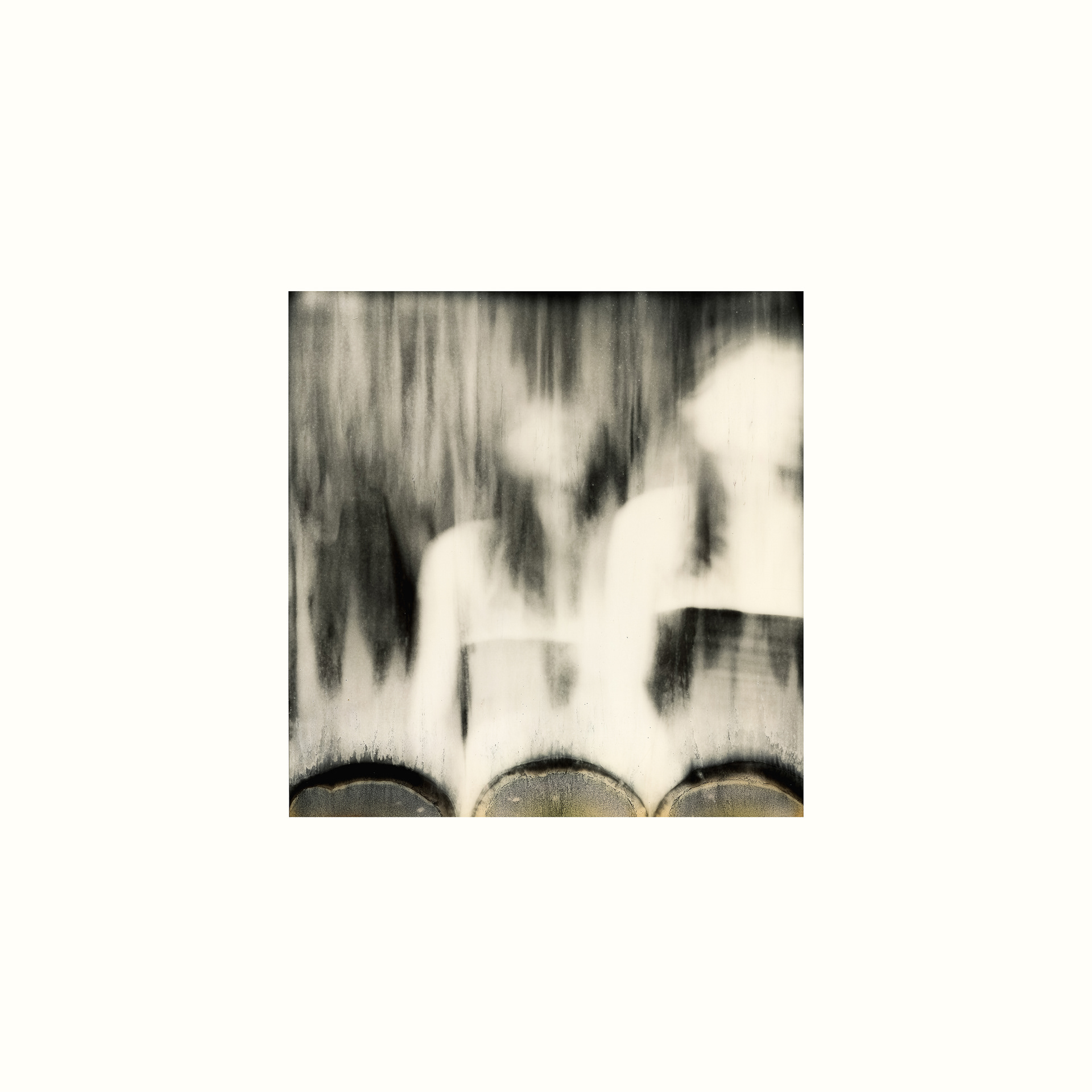
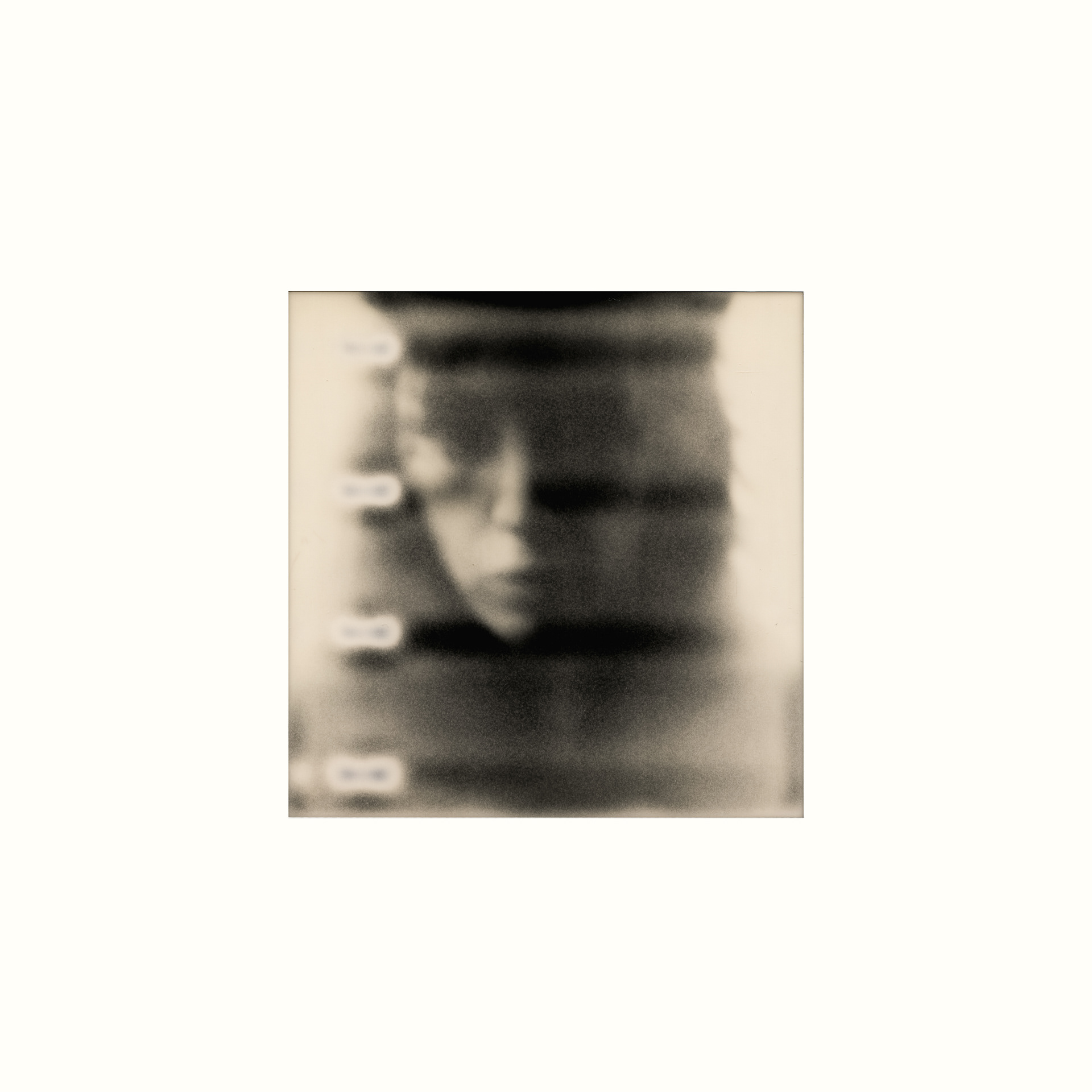
Polaroid 8x8cm
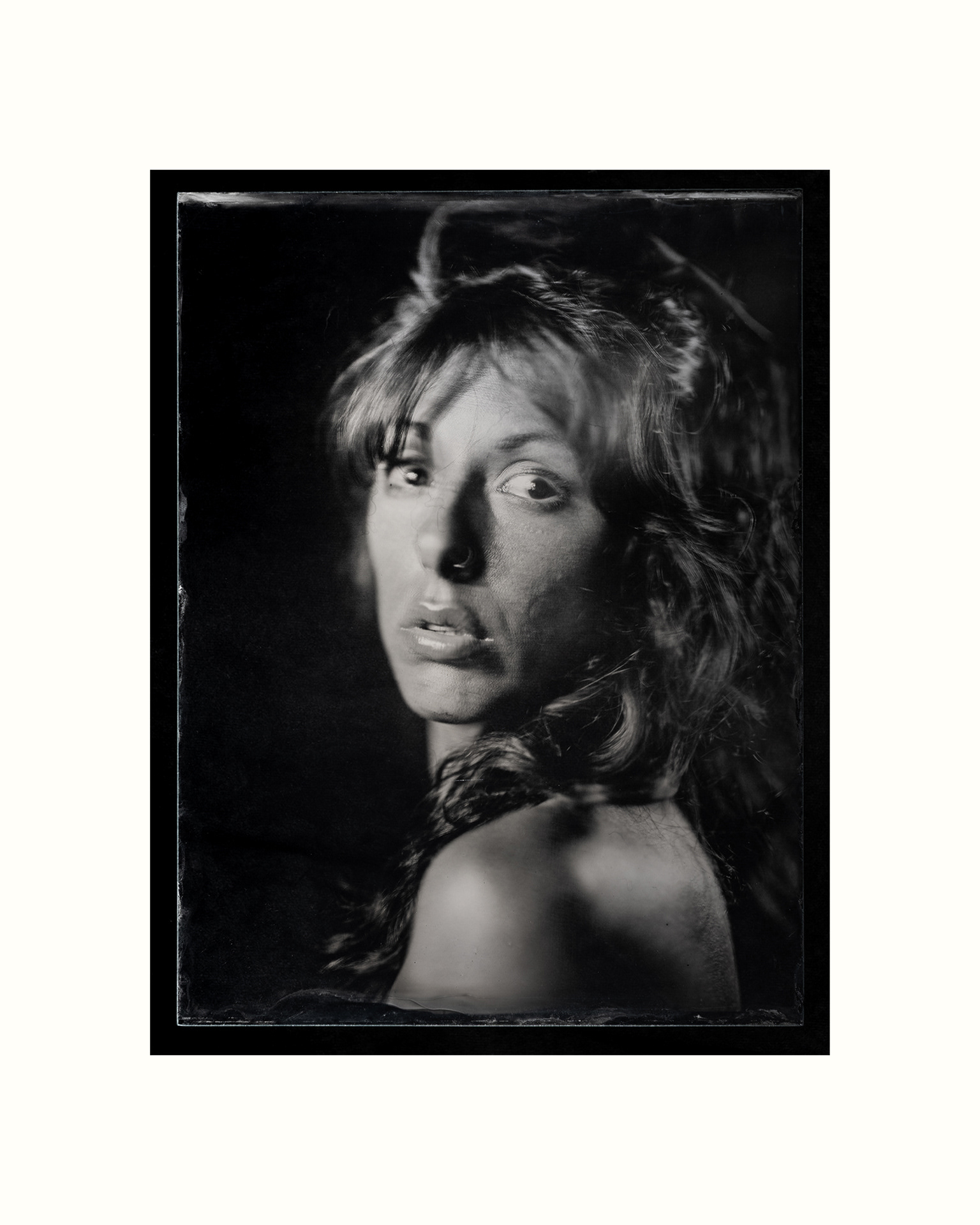
Wet plate collodion- Ambrotype on glass 30x24cm